Department of Inspiration
In the reflected light from the latest snowstorm bouncing into my studio, I found myself taking pictures again. What a relief — I am still an artist.
For months, I’ve been working nonstop on a PhD proposal connecting neuroscience, art history and feminist theory, so I’ve barely stepped foot into the studio.
An underlying impulse within the project is a kind of spell-casting. I'm trying to step back in time to redirect history. In my artworks and in the writing, I’m attempting to occupy objectifying, voyeuristic art histories with active female agents. One reason I’m fascinated by the Mnemosyne Atlas is that I think it can be a time machine, one that might renegotiate art history.
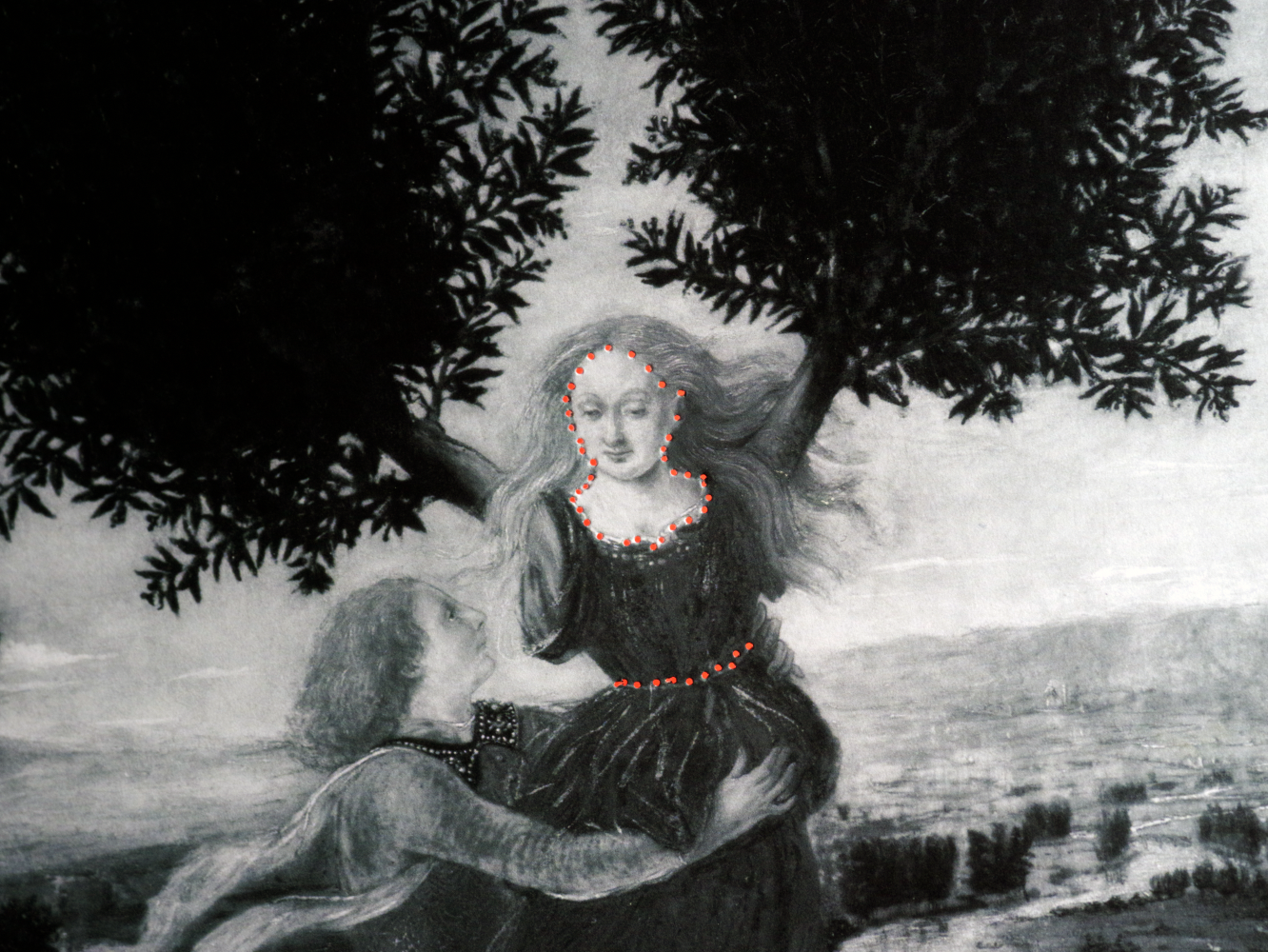
I'm working on the last images to go into my book — taken directly from the Mnemosyne Atlas. In this spread, the image on the left is a detail of the nymph Chloris’s face from Sandro Botticelli’s Primavera painting. Nymphs are central to Aby Warburg’s idea of the pathosformeln (pathos-formulas, body gestures) traced across time.
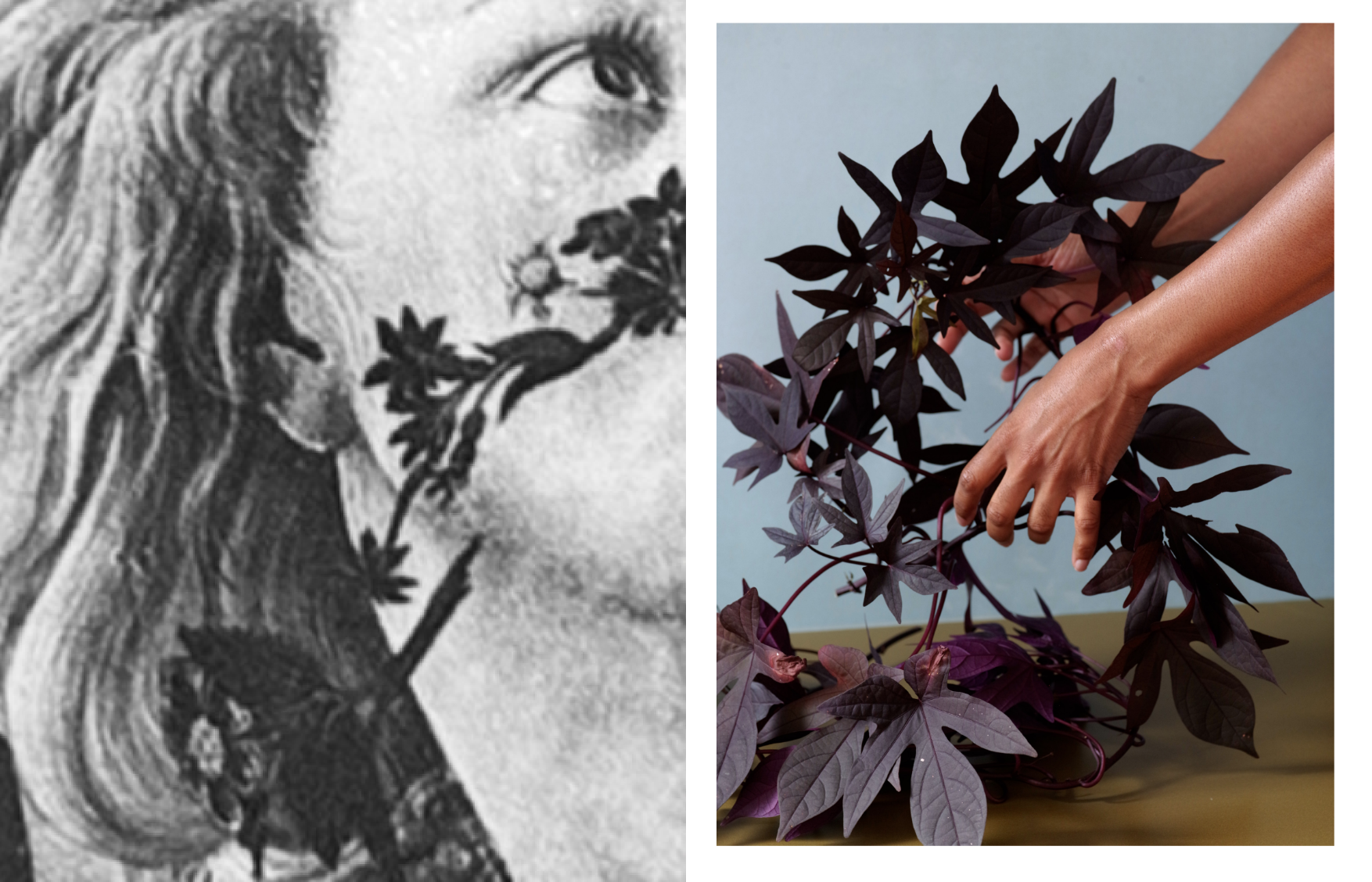
In the Primavera, Chloris is seized by Zephyrus. The Ovidian myth is one of rape, abduction, and ownership through marriage — her name transformed to Flora. In the painting, her face shows no signs of real fear, though her exposed body turns in an attempt to escape. Dark flowers fall from her mouth, creating a rupture — a discreet vomiting into the scene. Insect-like, with dramatic roots, they echo the extractive, violent uprooting of Chloris herself.
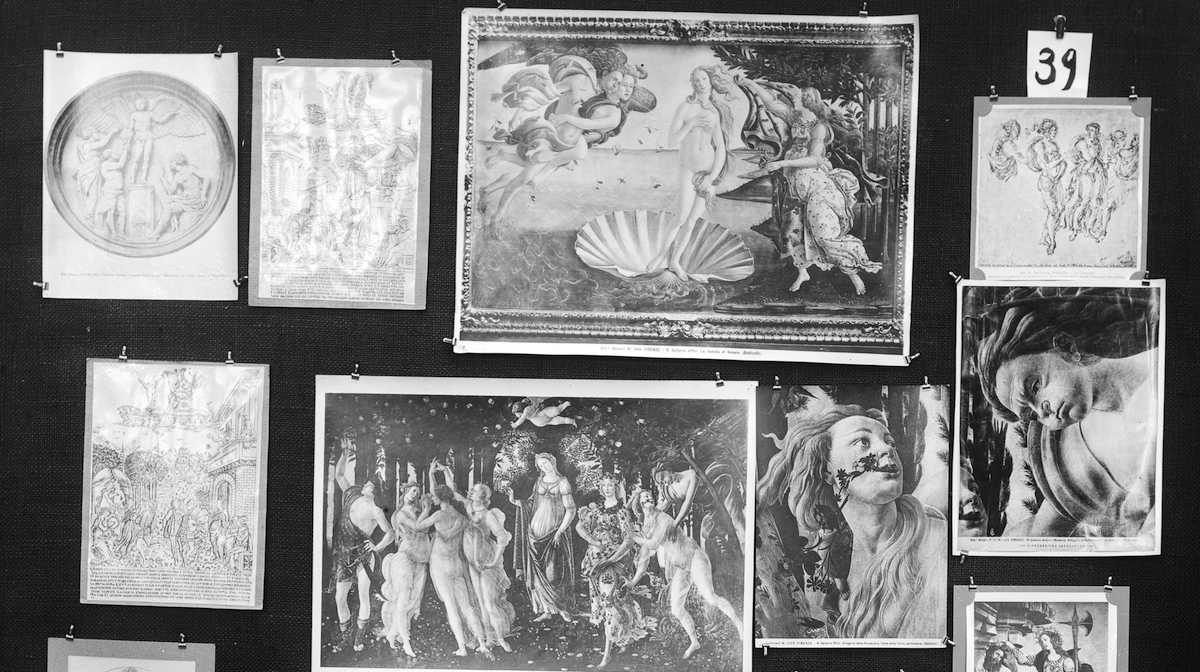
This detail from Mnemosyne panel 39 shows cropped insets of the faces of Chloris and Zephyrus from the Primavera. Insets or enlarged details are unusual in the Atlas, suggesting that Warburg found it significant.
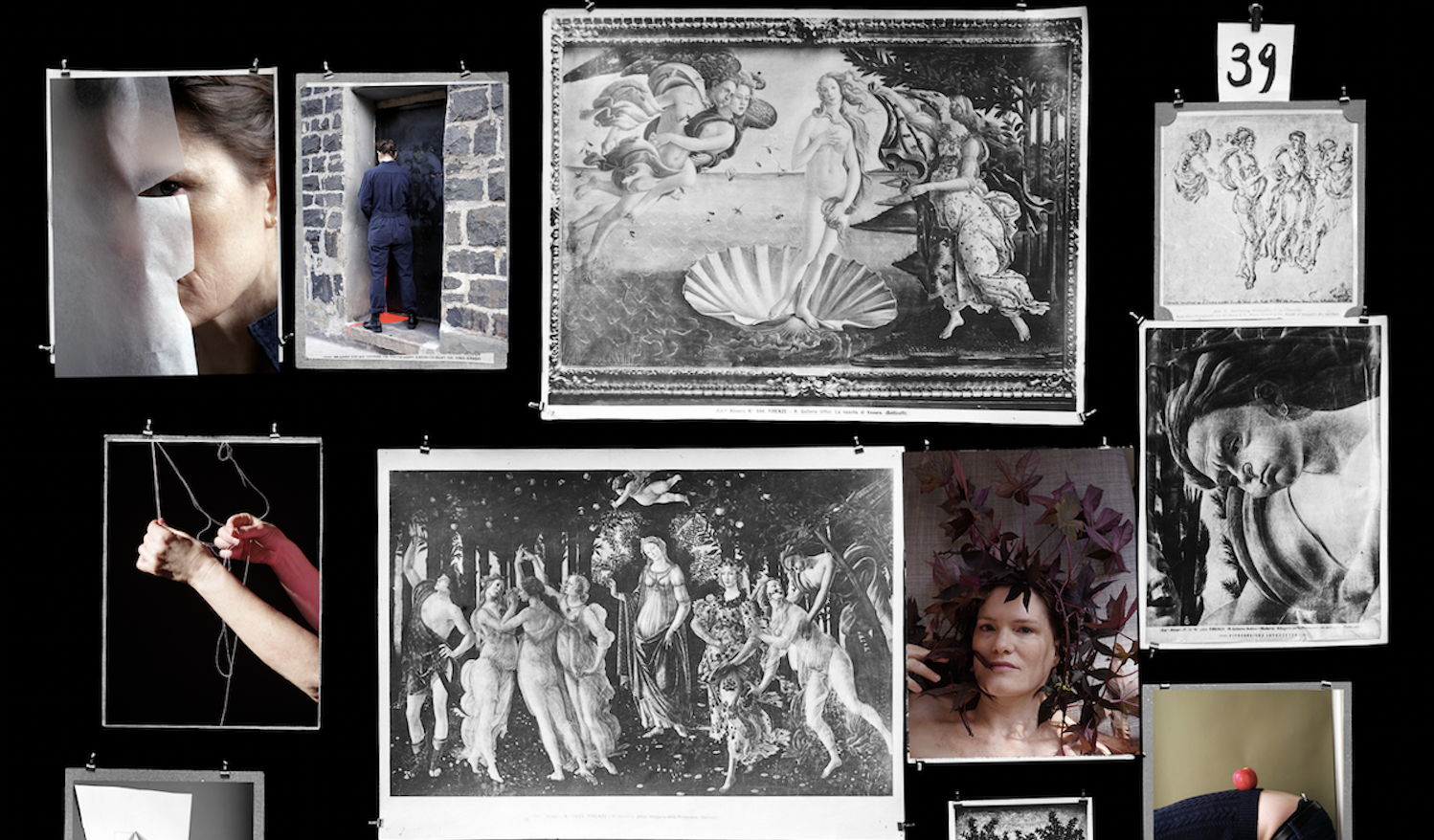
When I made the above photo of myself with the black vine, I thought I was making a medusa image. I was not aware of the connection to Botticelli’s Chloris. I hadn’t consciously registered the image yet. It was only afterwards, noticing Chloris's flower vomit, that I realized that I must have absorbed it subconsciously.
This moment, where the camera realizes and identifies subconscious images before I’ve made the connection, is one of the questions I’m digging into in the PhD proposal, asking: how do images live in the body and how are they expressed?
News/Collaborations in brief:
I’m in the home stretch with the Clay Feet book — a new body of photographs have rounded it out and set up a strong ending.
I produced a video about the first black female European neuroscientist for Black History Month at The Transmitter with Angie Voyles Askham.
My work will be hosted in a Der Greif artist feature in April.
On March 9th I gave an artist talk for the Golden Kin photographers collective in Kingston, NY.